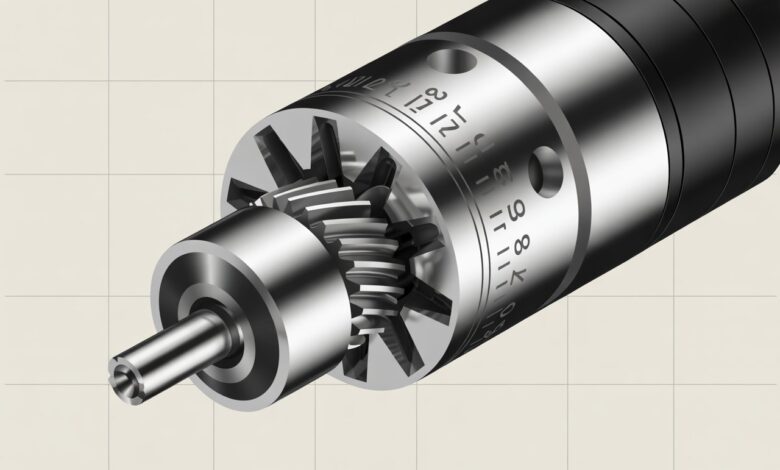
Introduction to Winkelbohrspindel
The winkelbohrspindel, or angle drilling spindle, serves as an essential component in modern machining and manufacturing processes. Its unique design allows for drilling at various angles, which is crucial for achieving precision in holes and other features on workpieces. By employing a winkelbohrspindel, manufacturers can effectively perform tasks that may otherwise require multiple setups or specialized tools. This versatility not only streamlines production tasks but significantly enhances efficiency and precision.
The significance of the winkelbohrspindel can be observed in various industries, including aerospace, automotive, and metal fabrication. These sectors require high levels of accuracy and the ability to create complex geometries, often at difficult angles. The angle drilling spindle allows for these requirements to be met, ensuring that parts are manufactured to exact specifications without excessive labor or time expenditures.
Fundamentally, the working principle of a winkelbohrspindel revolves around its ability to articulate at an angle relative to the workpiece. This articulation is often achieved through a series of gears and joints that permit freedom of movement while maintaining stability during the drilling process. When coupled with a compatible drill bit, the winkelbohrspindel can achieve not only various angles but also different drilling depths, contributing to the production of intricate designs and patterns.
As manufacturers seek to optimize their production lines and reduce cycle times, the incorporation of a winkelbohrspindel is becoming increasingly prevalent. By allowing for multi-angle drilling in a single setup, this tool enhances the overall capabilities of machining centers, providing a robust solution to address the demands of contemporary manufacturing environments.
Key Features and Benefits of Winkelbohrspindel
The winkelbohrspindel is an innovative tool designed to optimize the angle drilling process in various industrial applications. What sets it apart from traditional drilling spindles is its unique construction, which allows for greater flexibility and precision during operation. One of the primary features of the winkelbohrspindel is its adjustable angle mechanism. This feature enables users to achieve a broad range of drilling angles without needing multiple tools, thereby streamlining workflow and enhancing efficiency.
Another critical design element is the compact nature of the winkelbohrspindel. Its smaller size facilitates access to tight spaces, making it an ideal choice for applications where conventional spindles would be impractical. The lightweight design not only eases handling but also minimizes machine wear, contributing to longer tool life. Furthermore, the winkelbohrspindel can accommodate a variety of drill bit sizes and types, thereby enhancing its versatility across different tasks and materials.
The precision offered by the winkelbohrspindel is noteworthy as well. It provides consistent drilling quality, minimizing the risk of errors and ensuring reliable output. This precision is especially invaluable in industries where accuracy is paramount, such as automotive manufacturing and aerospace applications. Additionally, the winkelbohrspindel operates with reduced vibration, translating to smoother drilling processes and better finishes on workpieces.
In terms of efficiency, the winkelbohrspindel significantly cuts down the time required for setup and execution compared to traditional spindles. The ability to quickly switch between different tasks without needing multiple tools enhances productivity. Collectively, these features contribute to the growing popularity of winkelbohrspindel in various sectors, positioning it as a reliable solution for modern drilling challenges.
Applications of Winkelbohrspindel
The winkelbohrspindel, or angle drilling spindle, serves a vital role across various industries due to its versatility and precision in drilling operations. One prominent field that benefits from the use of the winkelbohrspindel is the automotive industry. In this sector, the spindle is often employed for drilling complex geometries in engine blocks and transmission housings. Its ability to reach difficult angles minimizes the need for secondary operations, thus enhancing efficiency and reducing production time.
Aerospace is another industry where the winkelbohrspindel finds significant application. Components for aircraft, such as fuselage sections and wing assemblies, require precise drilling to ensure structural integrity and weight reduction. The spindle enables manufacturers to meet stringent tolerances while maintaining high productivity levels, which is crucial in an industry where even minor defects can have severe consequences.
Woodworking also showcases the utility of the winkelbohrspindel. Carpenters and furniture makers utilize this tool for tasks such as drilling angled holes and creating joinery. For instance, when constructing intricate wooden frames or cabinetry, the ability to drill at a specific angle without compromising the material is invaluable. This results in aesthetically pleasing results as well as an enhancement in overall strength and durability of the final product.
Additionally, the winkelbohrspindel assists in the manufacturing of electronics by allowing for the assembly of components in tight spaces. The spindle’s precision features reduce the risk of damaging delicate parts during the drilling process, which is imperative in delicate electronic devices. As industries continue to evolve, the winkelbohrspindel is set to play an increasingly pivotal role, demonstrating its importance in modern manufacturing practices.
Types of Winkelbohrspindel
The winkelbohrspindel is an essential tool in various drilling applications, and it comes in several types to cater to specific needs in different industries. Categorizing winkelbohrspindel based on size, design, and operational capability can significantly aid users in selecting the appropriate option for their projects.
One of the primary classifications of winkelbohrspindel is by size. Smaller winkelbohrspindle are ideal for precision work typically found in electronic and intricate assembly applications where space is limited, and a high degree of accuracy is required. On the other hand, larger winkelbohrspindle are designed for heavy-duty applications, suitable for construction and industrial settings. These larger models can handle substantial loads and are equipped with enhanced durability to withstand challenging environments.
Design variations also play a crucial role in the functionality of winkelbohrspindel. Some models feature adjustable angles that allow for increased versatility in drilling tasks, making them perfect for applications where different drill angles are necessary. In contrast, fixed-angle designs are often used for more straightforward tasks, providing a reliable solution when specific angles are consistently required. The choice between these designs will depend significantly on the user’s specific drilling applications.
Moreover, operational capabilities vary among winkelbohrspindel models. Some units are powered by electric motors, offering ease of use and consistent performance. Others may operate manually or with pneumatic systems, which can be advantageous in environments where electrical sources are limited or where portability is essential. Understanding these variations ensures that users can select a winkelbohrspindel that aligns with their operational preferences and requirements.
In conclusion, understanding the different types of winkelbohrspindel available on the market can enhance your ability to choose the right tool for your needs. By considering size, design, and operational capabilities, you can make an informed decision that aligns with your drilling applications.
How to Choose the Right Winkelbohrspindel
Choosing the appropriate winkelbohrspindel is crucial for achieving optimal drilling performance and ensuring seamless compatibility with existing machinery. To begin with, one must evaluate the operational requirements specific to the tasks at hand. Different winkelbohrspindel models may offer varying torque, speeds, and operational capabilities, leading to differing suitability for specific drilling applications. Therefore, a comprehensive understanding of the tasks expected to be performed will guide the selection process significantly.
Another critical factor is the compatibility of the winkelbohrspindel with the machinery already in use. It is imperative that the spindle matches the specifications of the drilling equipment, including the mounting interface, power requirements, and overall dimensional constraints. Mismatches in these areas can result in inefficiencies or even damage to machinery and workpieces. Manufacturers often provide specifications and compatibility charts, which should be consulted during the selection process.
Budget considerations also play a pivotal role in decision-making. While it may be tempting to opt for the lowest-priced option available, it is essential to assess the long-term value and performance reliability of the winkelbohrspindel. Investing in a higher-quality product may sometimes prove more cost-effective in the long run due to enhanced durability and reduced maintenance needs. Additionally, one should consider the availability of spare parts and service support, which can further impact the total cost of ownership.
In summary, considering operational requirements, compatibility with existing machinery, and budget constraints will collectively aid in the selection process of the right winkelbohrspindel, ensuring optimum drilling efficiency and performance. Taking the time to evaluate these criteria will lead to informed decisions that ultimately enhance productivity and project success.
Installation and Setup of Winkelbohrspindel
Installing a winkelbohrspindel requires careful preparation and a clear understanding of the necessary steps to ensure a smooth and efficient setup. Before beginning the installation process, it is essential to gather all necessary tools and materials. Commonly used tools include a wrench set, screwdrivers, appropriate mounting brackets, and a drill. Additionally, ensure that you have safety gear such as gloves and goggles to protect yourself during the installation.
Start by reading the manufacturer’s manual thoroughly to understand the specifications and requirements of your particular winkelbohrspindel model. Each model may have slight variations in installation procedures, so adhering to the provided guidelines is critical. Make sure that the workspace is clean and free of clutter to avoid accidents during the installation.
Next, prepare the mounting surface. The winkelbohrspindel should be installed on a stable and level surface to ensure optimal functionality. If necessary, make any adjustments to the mounting surface to achieve a level setup. Position the spindle in such a way that its orientation aligns with your drilling requirements. It’s important to have marked the drilling locations in advance for accuracy.
Once the positioning is complete, secure the winkelbohrspindel to the surface using the designated mounting brackets and screws. Tighten all fasteners adequately to ensure that the spindle remains stable during operation. Following that, connect the power supply, ensuring that all electrical connections comply with safety regulations.
After the secure installation, perform a thorough inspection of all connections and settings before powering on the machine. This step is crucial to prevent any operational issues and to ensure the safety of the user. Once everything is verified, you are ready to start using the winkelbohrspindel for precision angle drilling tasks.
Maintenance and Care for Winkelbohrspindel
Proper maintenance and care of a winkelbohrspindel are crucial for ensuring its longevity and optimal performance in various applications. Regular maintenance tasks should be integrated into the user’s routine, including thorough cleaning, lubrication, and inspection for wear or damage. A clean working environment is essential; debris and dust can accumulate in the spindle, leading to potentially harmful interference. Using compressed air or a soft brush to clean the spindle after each use will help keep it in good condition.
Lubrication is another vital aspect of maintenance. Most winkelbohrspindel designs require periodic greasing to ensure smooth operation and reduce friction wear. It is advisable to consult the manufacturer’s guidelines for instructions on the type of lubricant to use and the recommended intervals for application. Proper lubrication not only enhances performance but also extends the lifespan of the spindle by preventing excessive wear on its internal components.
Inspecting the winkelbohrspindel for signs of wear or damage is an essential practice. Regular checks of the bearings, seals, and overall integrity will identify potential issues before they escalate. Common problems include overheating due to inadequate lubrication or misalignment that can affect drilling accuracy. Addressing these issues promptly can prevent further damage and maintain the spindle’s efficiency.
Finally, storing the winkelbohrspindel correctly when not in use is equally important. It should be kept in a clean, dry place to avoid corrosion or deterioration from exposure to environmental factors. Utilizing protective covers or cases can further safeguard the spindle from damage. By implementing these maintenance practices, users can ensure that their winkelbohrspindel achieves optimal performance and longevity, maintaining its effectiveness in various drilling operations.
Technological Innovations in Winkelbohrspindel Design
The evolution of the winkelbohrspindel has been greatly influenced by recent technological advancements, which have enhanced its functionality and versatility in various applications. One significant innovation is the integration of smart features into the design of these angle drilling spindles. These smart components often include sensors that monitor operational parameters such as temperature, torque, and speed, allowing for real-time data collection and analysis. This data enables users to optimize their drilling processes, reducing downtime and increasing overall efficiency.
Moreover, automation has emerged as a crucial element in the evolution of winkelbohrspindel technology. Automated systems can manage the drilling process with minimal human intervention, enhancing precision and consistency. By implementing automation, manufacturers can achieve higher production rates while maintaining the quality of their work. Fully automated winkelbohrspindel systems also generate comprehensive reports on performance metrics, thereby enabling companies to make informed decisions based on empirical data.
Material improvements are another facet of innovation that has significantly impacted the design of winkelbohrspindel. Advances in manufacturing techniques have led to the development of more durable and lightweight materials, which not only enhance the performance of the spindle but also contribute to its longevity. For instance, high-strength alloys and composite materials are increasingly being used, allowing for better heat dissipation and reduced wear. This further aids in the efficiency of the tooling process, thereby supporting industries reliant on precision engineering.
Overall, the integration of smart technologies, the rise of automation, and enhancements in materials are transforming the capabilities of winkelbohrspindel. These advancements are paving the way for more efficient, reliable, and versatile drilling solutions that meet the demands of modern manufacturing environments.
Conclusion: The Future of Winkelbohrspindel in Industries
The winkelbohrspindel, or angle drilling spindle, plays a pivotal role in modern manufacturing operations, significantly enhancing drilling precision and efficiency. This versatile tool has become essential not only in traditional machining industries but also across various sectors like automotive, aerospace, and construction. As industries evolve and demand for complex designs increases, the winkelbohrspindel stands to benefit from continued technological innovations.
Advanced machining techniques, such as CNC (Computer Numerical Control) milling and automated drilling processes, have integrated the winkelbohrspindel into their frameworks. This integration is emblematic of the ongoing industry trend towards automation and precision engineering. Manufacturers are consistently seeking more efficient tools that can adapt to intricate machining tasks, making winkelbohrspindel a preferred choice due to its adaptability and reliability.
Looking ahead, the evolution of the winkelbohrspindel is likely to be influenced by emerging technologies, such as artificial intelligence and machine learning. These technologies can enable smarter tooling, predictive maintenance, and optimized machining processes, significantly benefiting industries that rely heavily on precision drilling. Furthermore, the increasing demands for customization and small-batch production are also anticipated to drive the need for flexible machining solutions where winkelbohrspindel can excel.
The potential impacts on various industries are profound, as the winkelbohrspindel adaptation offers possibilities for reduced lead times, improved quality, and enhanced operational efficiency. Investment in research and development will play a critical role in shaping its future applications and refining its capabilities. The consistent pursuit of innovation within the manufacturing landscape reinforces the importance of winkelbohrspindel, ensuring its relevance in an ever-evolving industrial environment.
You May Also Read This Multifeature.